Why Remote Workers Need Proper Weekend Breaks
Working online blurs the line between office and home. The laptop is always within reach, and the temptation to check emails on a Saturday morning is real. Without a clear break, burnout creeps in. A weekend away forces you to shut the lid, change your surroundings, and return with fresh focus.
But not all weekend breaks suit remote workers. You need somewhere with reliable Wi-Fi if you must check in, but also a reason to log off. The best spots offer nature, quiet, and a change of pace that makes staring at a screen feel absurd.
What Makes a Great Weekend Break for Digital Nomads
First, consider travel time. If you finish work on Friday at 6pm, you don’t want a four-hour drive. Two hours max is ideal. Second, look for accommodation that encourages disconnection: no noisy bars, no 24-hour news channels, just comfort and calm.
Third, think about what recharges you. For some, it’s a brisk hill walk. For others, it’s a long bath and a good book. The location should cater to both. And if you’re travelling with a partner or friend, they need to enjoy it too.
Top UK Destinations for a Screen-Free Weekend
The Lake District remains unbeaten for dramatic scenery and cosy pubs. The Yorkshire Dales offer quieter trails and starry skies. Cornwall is glorious off-season, with empty beaches and mild weather. Further north, the Cairngorms provide true wilderness.
Each of these areas has a growing number of glamping sites, shepherd’s huts, and cabins designed for comfort without the clutter. Many now include proper desks and decent broadband, so you can extend your stay if you wish.
A Simple Checklist for Your Weekend Escape
- Book accommodation with a minimum two-night stay to force a proper break.
- Check mobile signal and Wi-Fi speed only if you truly need to work.
- Pack walking boots, a waterproof, and a paperback.
- Set an out-of-office reply and mute work notifications.
- Plan one outdoor activity per day, even if it’s just a short stroll.
- Leave the laptop at home unless absolutely necessary.
How to Make the Most of 48 Hours
Friday evening: arrive, unpack, and go for a short walk to shake off the week. Eat something hearty. Saturday: spend the morning exploring a local market or trail. Afternoon: nap, read, or soak in a hot tub. Evening: pub dinner or a simple meal cooked in your cabin. Sunday: a gentle morning activity, then head home by mid-afternoon to avoid the rush.
This rhythm works because it balances activity with rest. You’re not cramming in sights; you’re giving your mind space to wander.
Why Glamping Beats a Hotel for Remote Workers
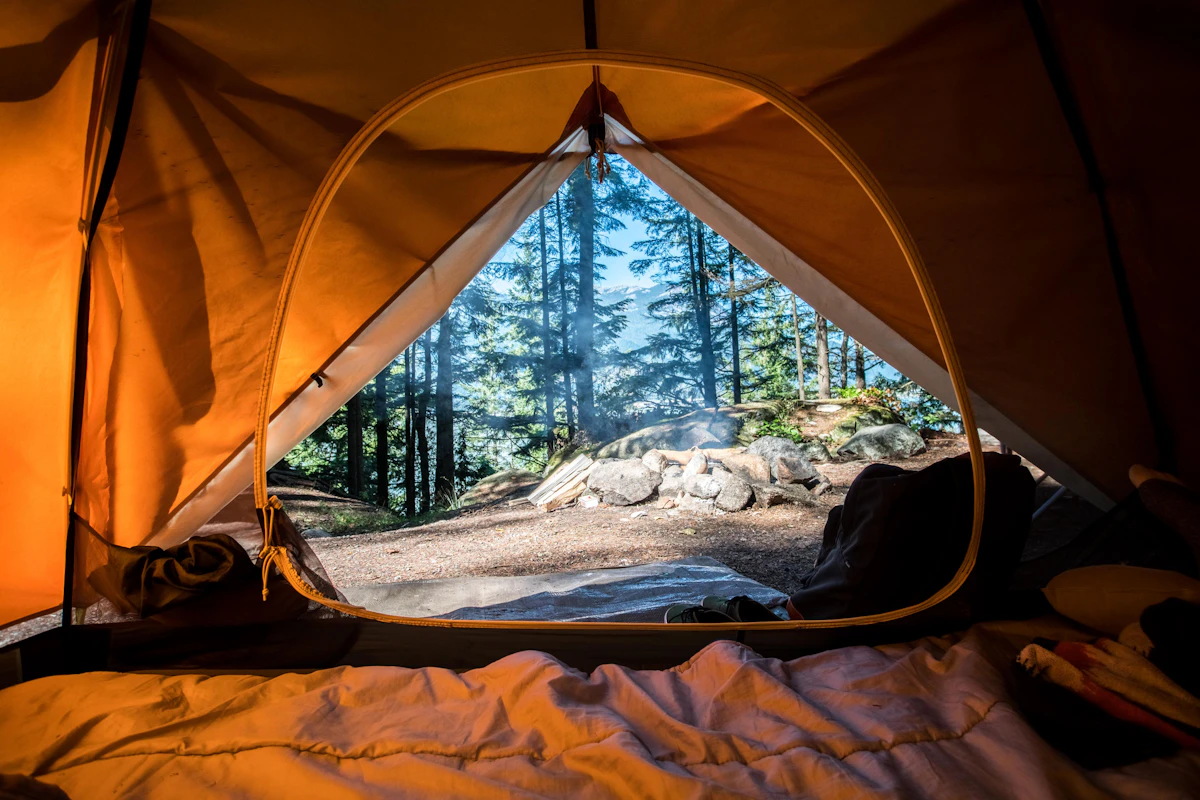
Hotels can be noisy and impersonal. Glamping offers privacy, nature, and often a fire pit. You can cook your own food, sit outside under a blanket, and hear nothing but owls. For people who spend all day in front of a screen, the tactile experience of building a fire or making coffee over a camp stove is grounding.
Many glamping sites in Cumbria and Yorkshire now cater specifically to professionals who want a digital detox. They provide comfortable beds, hot showers, and sometimes a wood-fired hot tub. It’s the perfect middle ground between camping and a boutique hotel.
Plan Your Next Weekend Now
Don’t wait for a gap in your calendar. Pick a weekend three weeks ahead, book a small cabin or yurt, and tell your colleagues you’ll be offline. The work will still be there on Monday. The rest will make you better at it.
After long hours on an Amonbet casino, there is nothing quite like waking up to birdsong beside a Cumbrian tarn.